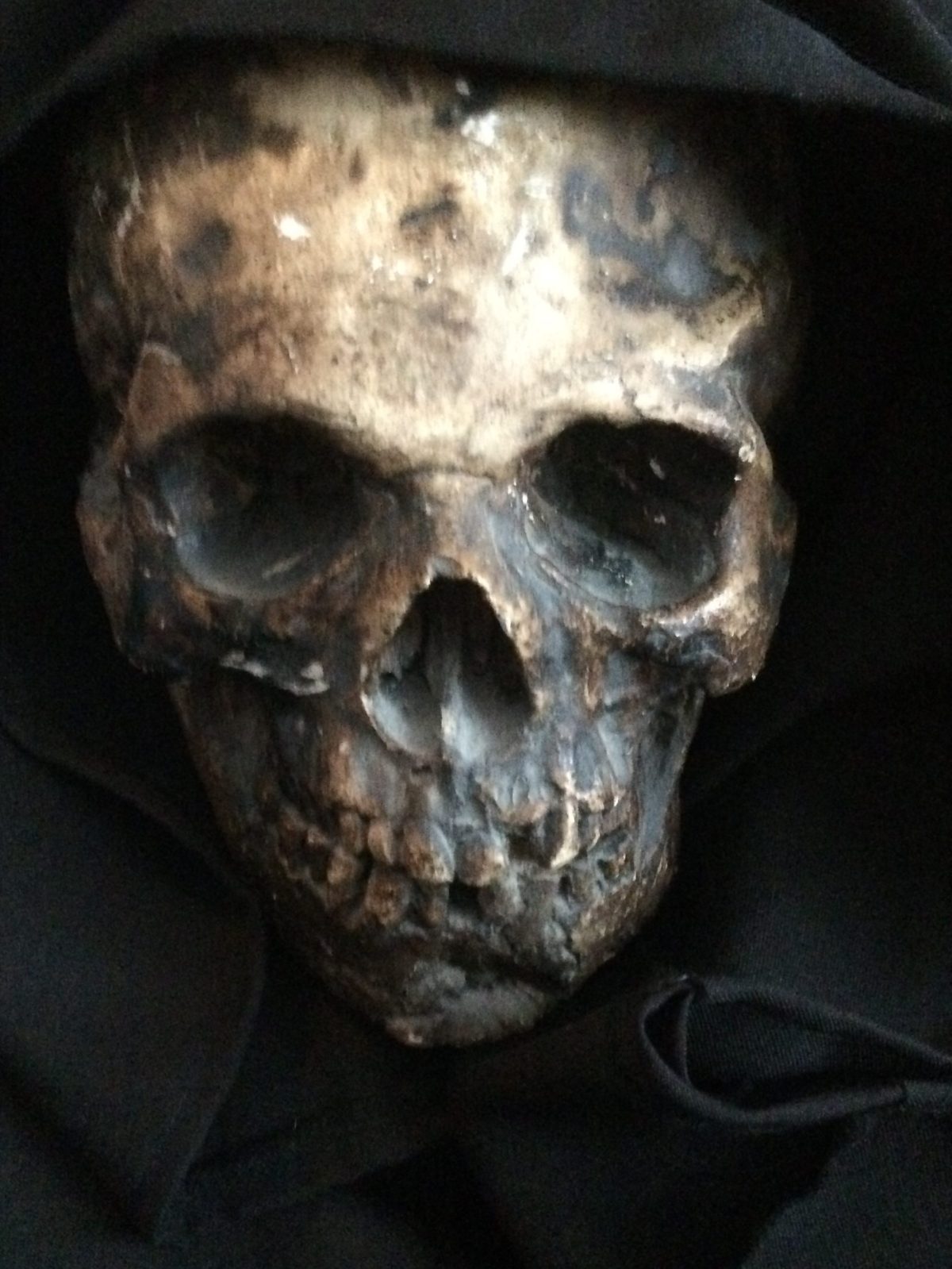
Regular readers will know that I’ve been on the trail of Dickie’s Skull for a while. A staple of books about ghosts and legends in the Peak District, the human skull sat on a windowsill at Tunstead Farm in Derbyshire for several centuries. Accounts differ of how and when Dickie (or Dickey) was found, and who exactly he was but most people agreed that if the cursed cranium was removed from its favoured spot or compromised in any way, terrible things would happen. The legend peaked in the 1800s when Dicky famously scuppered the building of a nearby railway. The story made it into the national press and there was a poem written about Dickie’s Skull, and even a play.
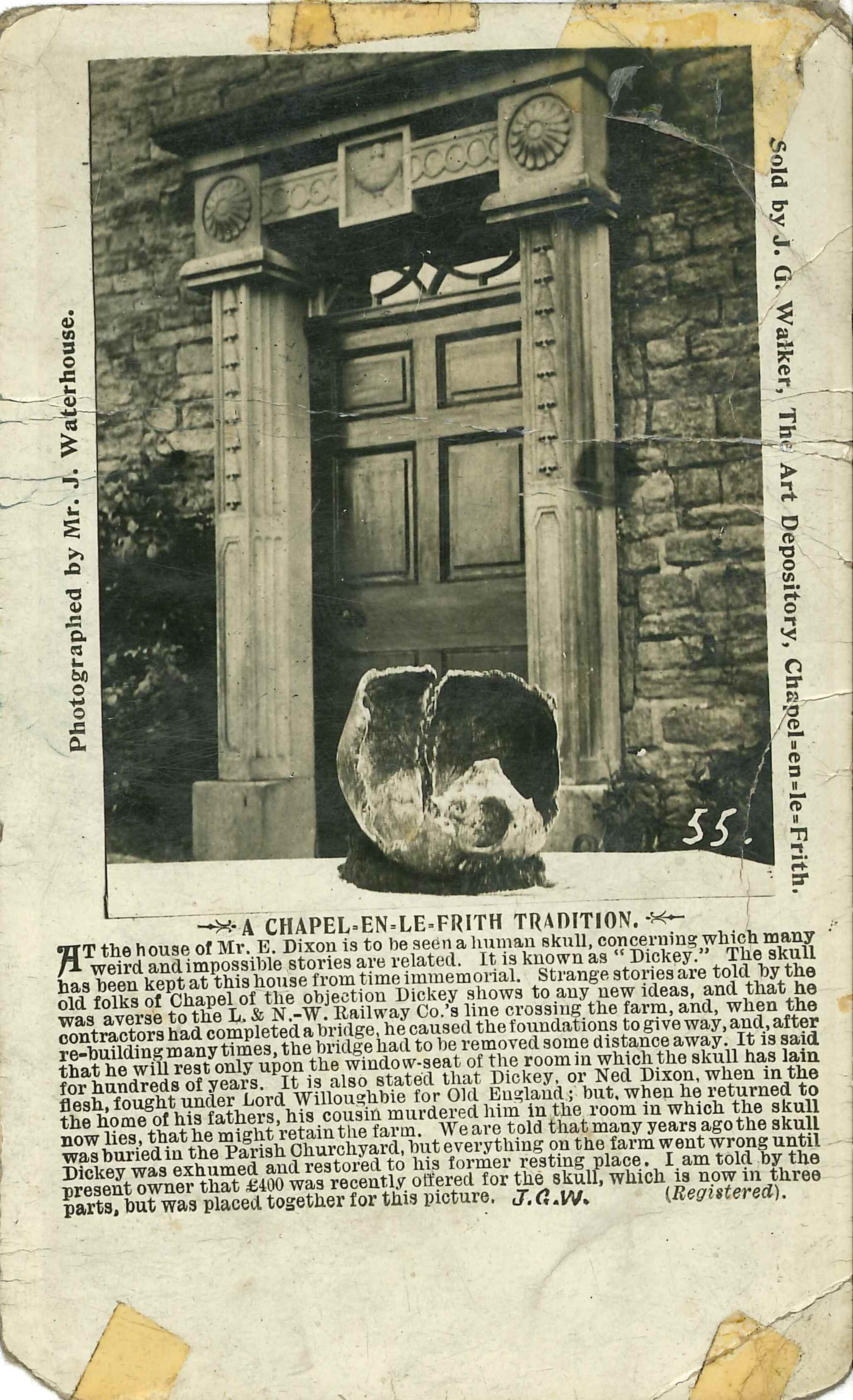
On the trail of ghouls and goblins in and around the Peak District for many years, Dickie was a clear culprit for my investigations. The area around Tunstead Farm was already hot with accounts of monstrous wild cats and mysterious lights in the sky. Imagine then my disappointment when Dickie was not home, and the current residents of the farm knew nothing about the skull. And most strikingly, he had been removed without any obvious calamity.
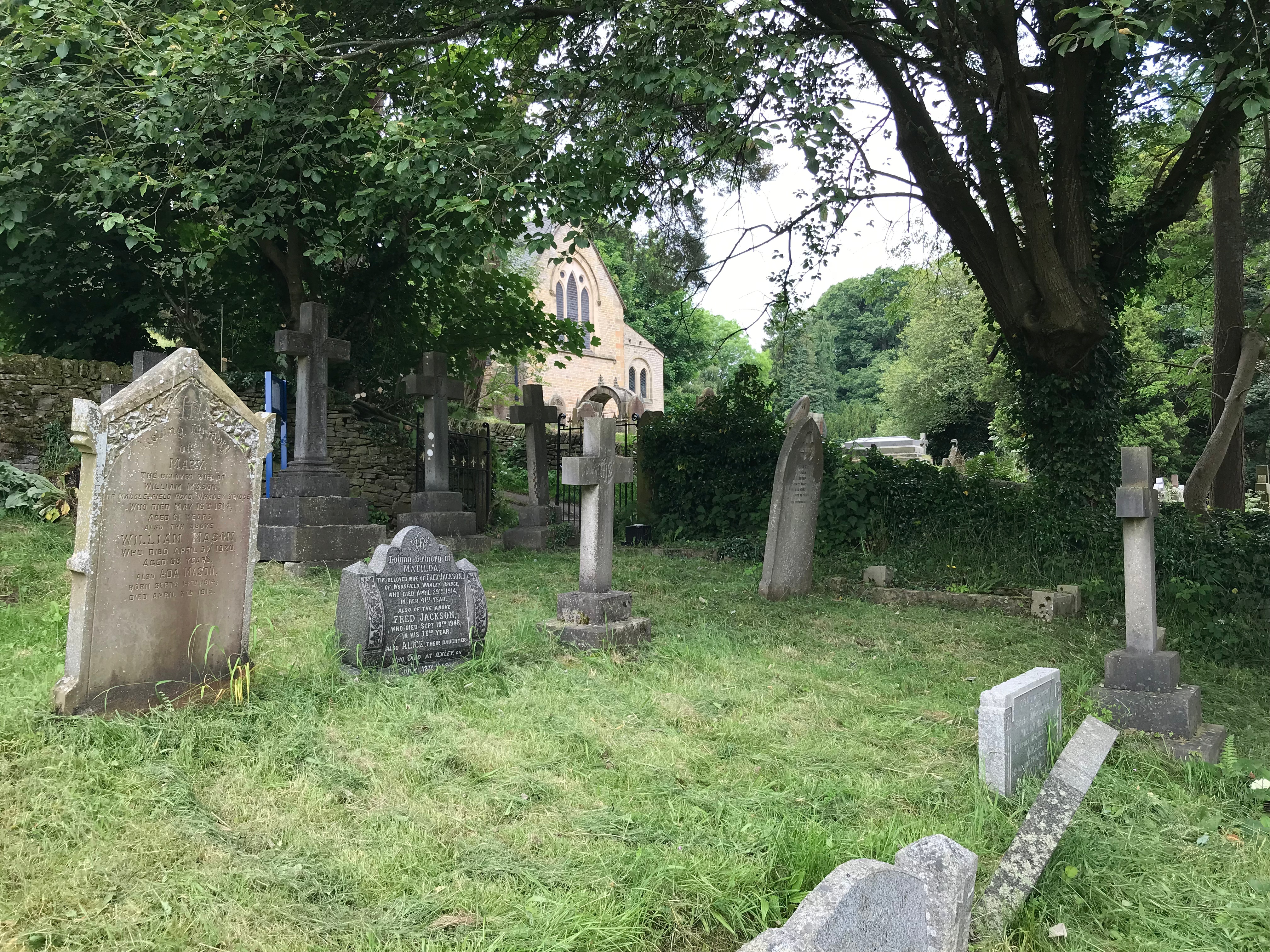
A tip off diverted me to St. James’ Church in nearby Taxal, where Dickie had been given a Christian burial, and the curse laid to rest. However, it seems this fact may have gotten mixed up with the burial of an arm belonging to a man involved in a railway accident. I’d been sent on a wild goose chase (Wild skull chase? Wild arm chase?) As diversions go, Taxal was a lovely and atmospheric little place to visit, and apparently has a haunted house unconnected to Dickie, so I was okay with it.
But the trail is still cold and I can only conclude that Dickie’s eventual fate is as mysterious as his origins. However, I was thrilled when Dr. David Clarke got in touch to put a little more flesh on the bones, pun intended. David is one of the UK’s leading authorities on legends and folklore and I’d already read some of his books and seen him on the telly.
For starters, David drew my attention to his 1998 thesis on the tradition and folklore of the severed human head in the British Isles, The Head Cult, in which he describes the notion of the guardian skull or screaming skull. It turns out that Dickie is only one of many grotesque talismans, placed on hearths or windowsills to protect homes in a time when superstition was more prevalent than science. David’s investigation into Dickie’s Skull is considerably more accomplished and scholarly than mine, and I recommend you read it for yourself online here. Pages 369-379 being the most relevant.
It does seem evident that Dickie was laid to rest a long time before me or even David strolled into Tunstead. Even ghost hunters in the 1980s discovered an absence of Dickie. Local historian Margaret Bellhouse confirmed to David in 1993 that the owners of the farm got rid of the skull because they were fed up of people turning up to see it.
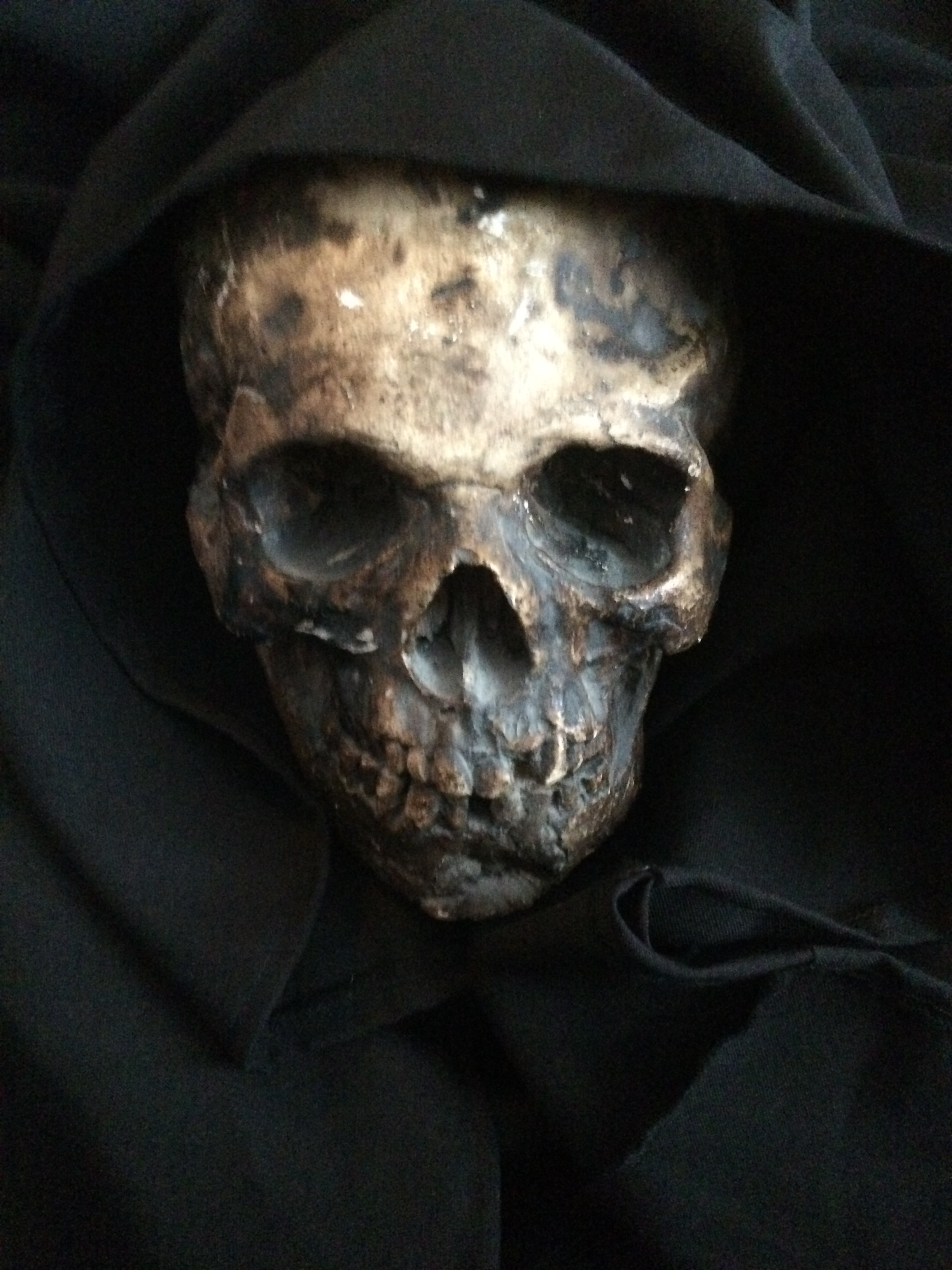
A mutual acquaintance of David and mine subsequently told us that his girlfriend used to borrow Dickie’s Skull from its owners in the 1970s, much to his astonishment (she obviously wasn’t too concerned about the legendary consequences). As one of the few people still alive who has handled the skull, he remembered that it felt and looked rather small, more like a child’s skull rather than an adult. Our acquaintance has handled quite a few skulls over the years as part of his work in archaeology and it’s a memory that has stayed with him for over forty years.
So there’s an end to the legend, albeit not a very happy or satisfactory one. David and I agreed that it was understandable that the owners didn’t want the bad bonce in their house but why not pass it to a museum? They could have tested the skull, determined how old it was, its gender, age, cause of death, even where the individual came from or what diet it had. For hundreds of years, the skull was respected, venerated and feared by local people and a museum could have continued the story, replacing some of the myths with forensic science.
Of course, if you know anything more about Dickie’s Skull than we do, especially where it was buried, feel free to contact me or Dr David Clarke and we might be able to bring a more pleasing conclusion to the tale. In the meantime, if you find any human remains, don’t put them on your windowsill to ward away evil spirits, call the police.


 world of wolfson